
PLANNINGSTAGE / Intelligence
Marina Expansion: The Planning Questions That Determine Value.
More berths are only part of the opportunity. Connect land, water, operations and consent before committing to the next phase of a marina.
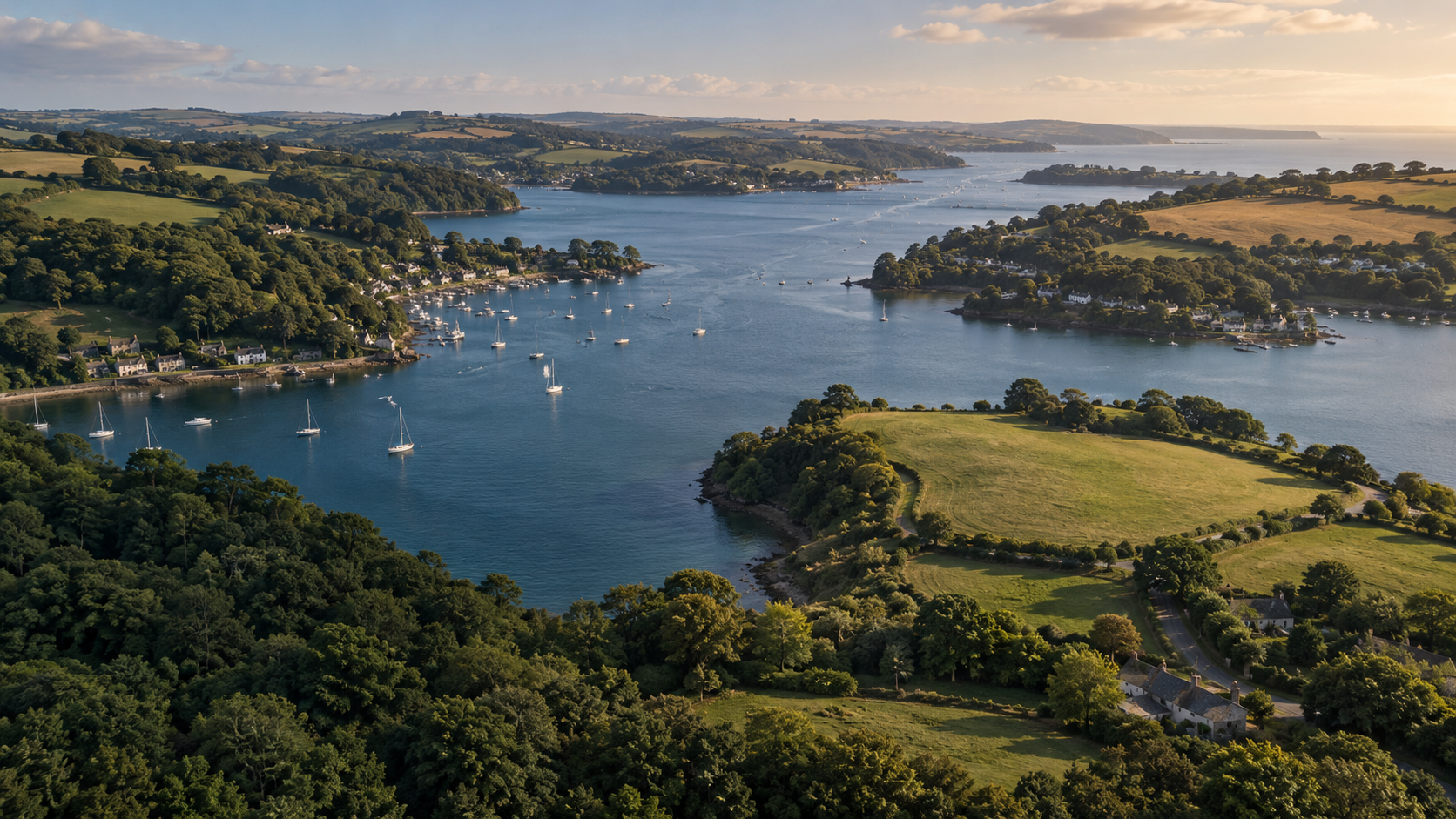
Define the investment proposition.
For a marina owner, operator or investor, expansion might mean accommodating larger vessels, improving shoreside facilities, adding marine-service space or investigating complementary hospitality uses. Each proposition places different demands on the asset. Additional berths have limited usefulness if access, servicing or water depth cannot support them.
Begin with the decision: what should the next phase achieve, which operations must continue and what capital or programme assumptions depend on consent? Define the land and water needed for the proposal before commissioning a scheme that the wider asset cannot accommodate.
Map the land and water consent interfaces.
For an English coastal or estuary marina, establish whether works need a marine licence from the Marine Management Organisation, planning permission or other permissions. Activity, location and any applicable exemptions determine the route. A planning permission does not, by itself, establish that marine works can proceed.
Identify the relevant regulators and harbour authority, alongside any seabed, foreshore or access rights that need legal review. Where suitable, the Coastal Concordat provides a framework for coordinating separate English coastal consent processes. It does not turn them into a single permission or remove their individual requirements.
Test the water-based proposition early.
Water depth, navigation, exposure and the proposed berth arrangement need investigation by the relevant marine specialists. Where dredging is proposed, the strategy must address both the works and what happens to the material. Disposal at sea must be addressed in the licensing scope alongside dredging; sediment sampling and analysis may be needed to support the application.
Establish which environmental assessments and evidence are required with the relevant specialists and regulators, including Environmental Impact Assessment screening where applicable, protected-site effects and water-quality assessment. Consider the relevant marine-plan policies. These questions can change the design, construction method or sequence of works, so they belong in the appraisal while options remain open.
Design the whole waterfront.
The masterplan should connect the marina with its land-based operation: arrival, parking, pedestrian routes, boat handling, workshops, storage, utilities and the facilities used by berth holders and staff. Test how an expanded operation would work on a busy day, including deliveries, emergency access and neighbouring uses.
Hospitality, leisure or mixed-use elements may strengthen a wider proposition, but each needs its own planning and operational assessment. Flood risk, landscape, heritage, ecology, noise and servicing can shape what is credible. A compelling waterfront image should explain a scheme supported by this work, with the assumptions visible.
Give the team one connected brief.
Separate land and marine commissions can leave the operator managing conflicting layouts, survey gaps and programmes that overlook essential decisions. The work should use a shared scheme definition, identify the evidence each consent needs and assign responsibility for resolving the interfaces. Survey requirements and regulator engagement should inform the programme.
STAGE leads the planning strategy and masterplanning, runs the project and coordinates the professional team. Architecture, marine engineering, environmental investigations, access, infrastructure and visualisation are brought together around that strategy, with external specialists appointed and managed where required. One strategy. One team. One point of contact.
Protect the route from consent to operation.
Review planning conditions and marine-licence requirements as part of the delivery sequence. Identify what must be approved before work starts, any restrictions on methods or timing, and the monitoring or reporting required. An attractive consent headline is less useful than knowing which requirement controls the next stage.
Connect that sequence with construction access and the continuity of the existing business. A phased approach may help preserve operations, but it must be tested against the particular scheme and permissions. The output should give the owner a credible next decision: investigate further, revise the masterplan, progress applications or prepare an authorised phase for implementation.
Planning context
- Get permission for marine work — MMO (England)
- Make a marine licence application — MMO (England)
- Dredging — MMO (England)
- Marine licensing: supporting assessments — MMO (England)
- A Coastal Concordat for England — GOV.UK
- Use of planning conditions — GOV.UK (England)
These sources relate to England. The relevant national and local planning context should be considered for each site.
Complex asset. Unclear planning position.
A decision that needs a strategy.