
OPPORTUNITYSTAGE / Intelligence
Unlocking Former Landfill Sites.
A future use starts with the site’s history, remaining obligations and the evidence for what comes next. Bring restoration, planning and specialist investigations into one strategy.
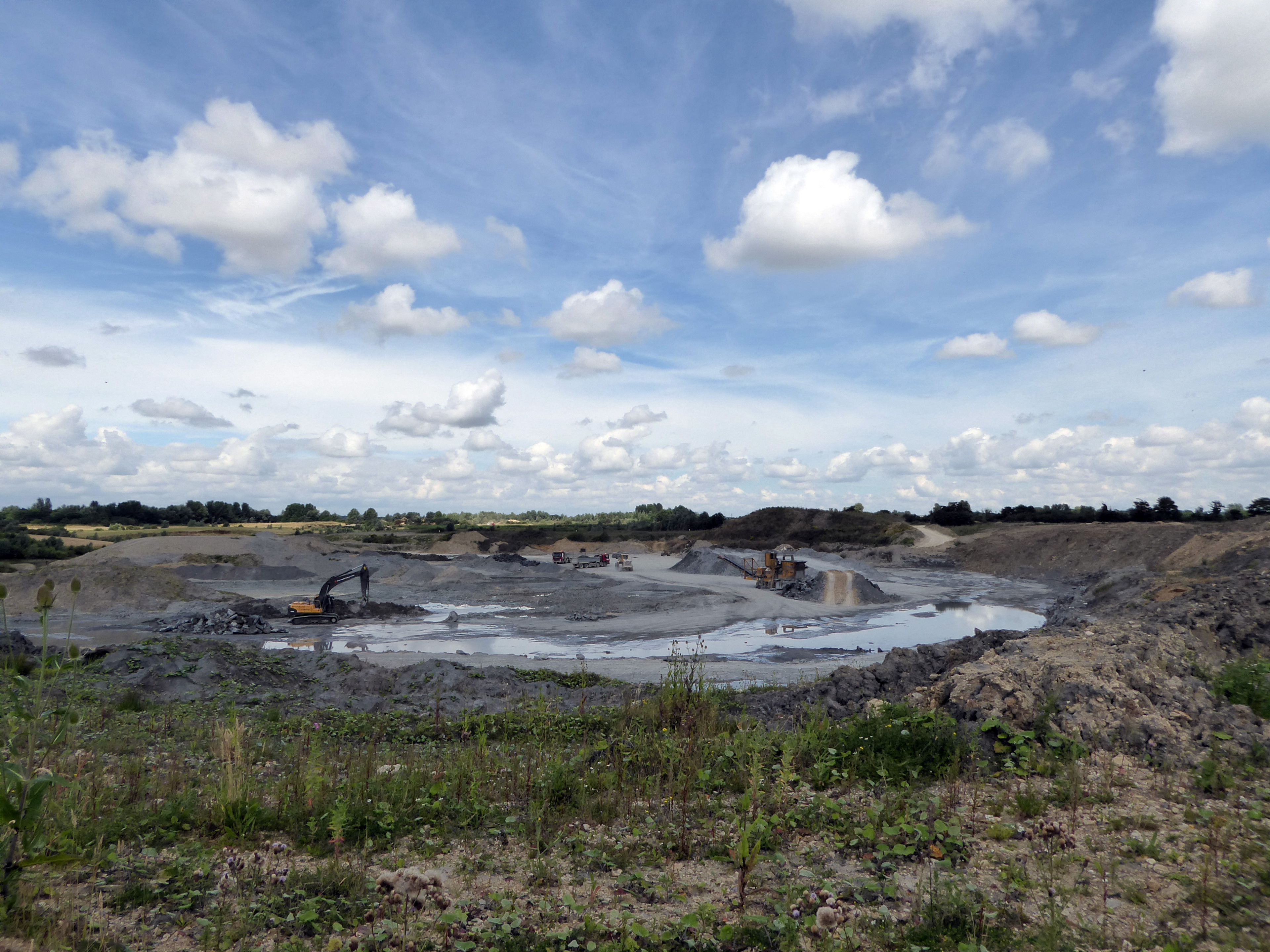
Start with the asset and its history.
A former landfill can present an opportunity and a continuing management burden at the same time. A landowner, operator, lender or restructuring adviser needs to understand both before relying on a new land-use proposition. A restored surface is only part of that assessment.
Bring together the planning history, waste records, permit status, approved restoration plans, monitoring data and available investigations. Distinguish areas that received waste from other parts of the holding. A former quarry, an inert landfill and a site that accepted biodegradable waste should not be treated as interchangeable assets.
Separate restoration, aftercare and future use.
For permitted sites in England, closure, restoration, aftercare and permit surrender are different matters. Establish the requirements that still apply, who holds responsibility and which decisions have been agreed with the Environment Agency and planning authority. Stopping waste acceptance does not, by itself, end the permit obligations.
A future use may be possible during aftercare, but it must remain compatible with the permit and planning position. Permit surrender is a separate process requiring evidence against the relevant criteria; it does not grant planning permission for a new use. Keep that distinction clear in acquisition, funding and delivery assumptions.
Investigate what the surface cannot show.
Identify the relevant ground and environmental questions: deposited materials, contamination, landfill gas, leachate, groundwater, settlement and slope stability. Their significance depends on the site and proposed use. A competent specialist should develop the risk assessment from the available records and define the further evidence needed.
For a permitted landfill in aftercare, discuss proposed site investigation and development with the Environment Agency before designing the investigation. Protect the cap and pollution-control infrastructure. Foundations, services, drainage and construction access must be assessed alongside those safeguards, rather than added to a layout after the principal decisions have been made.
Let the evidence shape the proposition.
Compare uses against the planning context and the site’s physical limits. Landscape, habitat or recreation proposals may merit investigation; so may an infrastructure or development option where the evidence supports it. None should be presented as suitable simply because waste operations have ended.
The assessment should establish what a proposal would disturb, who or what could be exposed to risk, and how necessary mitigation would be delivered and maintained. Test access, utilities, drainage and the wider policy position with the relevant team. A masterplan becomes useful when it reflects these findings and makes its remaining assumptions visible.
Coordinate one accountable work programme.
The client should not have to reconcile a restoration plan, an environmental investigation and a development design that use different assumptions. Agree the decision each commission needs to inform, identify missing records and connect investigations with the proposed land use and programme.
STAGE leads the planning strategy and masterplanning, runs the project and coordinates the required professional team. Environmental, geotechnical, engineering, legal and design specialists contribute within a shared brief, with external consultants appointed and managed where required. One strategy. One team. One point of contact.
Make the next commitment a considered one.
The output should distinguish the existing obligations, the supported opportunity and the work needed before commitment. Record the implications for capital, programme and ongoing management with the client’s appointed advisers. Where remediation is required, connect its design, implementation and verification with the planning and permitting requirements.
The next stage may be further investigation, restoration work, a revised masterplan or an application. It may also be a decision to retain a lower-disturbance use or pause an unsupported proposition. Consent should be translated into a sequence of approvals and responsibilities, including any continuing monitoring or maintenance, so the future use has a credible route to implementation.
Planning context
- Restore your landfill site — Environment Agency (England)
- Close your landfill site — Environment Agency (England)
- Landfill aftercare and permit surrender — Environment Agency (England)
- Land affected by contamination — GOV.UK (England)
- Land contamination risk management — Environment Agency
- Use of planning conditions — GOV.UK (England)
These sources relate to England. The relevant national and local planning context should be considered for each site.
Complex asset. Unclear planning position.
A decision that needs a strategy.