
OPPORTUNITYSTAGE / Intelligence
The Planning Opportunity Hidden Within Underperforming Commercial Assets.
Retain, adapt, reposition or redevelop. Establish which future the planning position can support before committing capital to an underperforming asset.
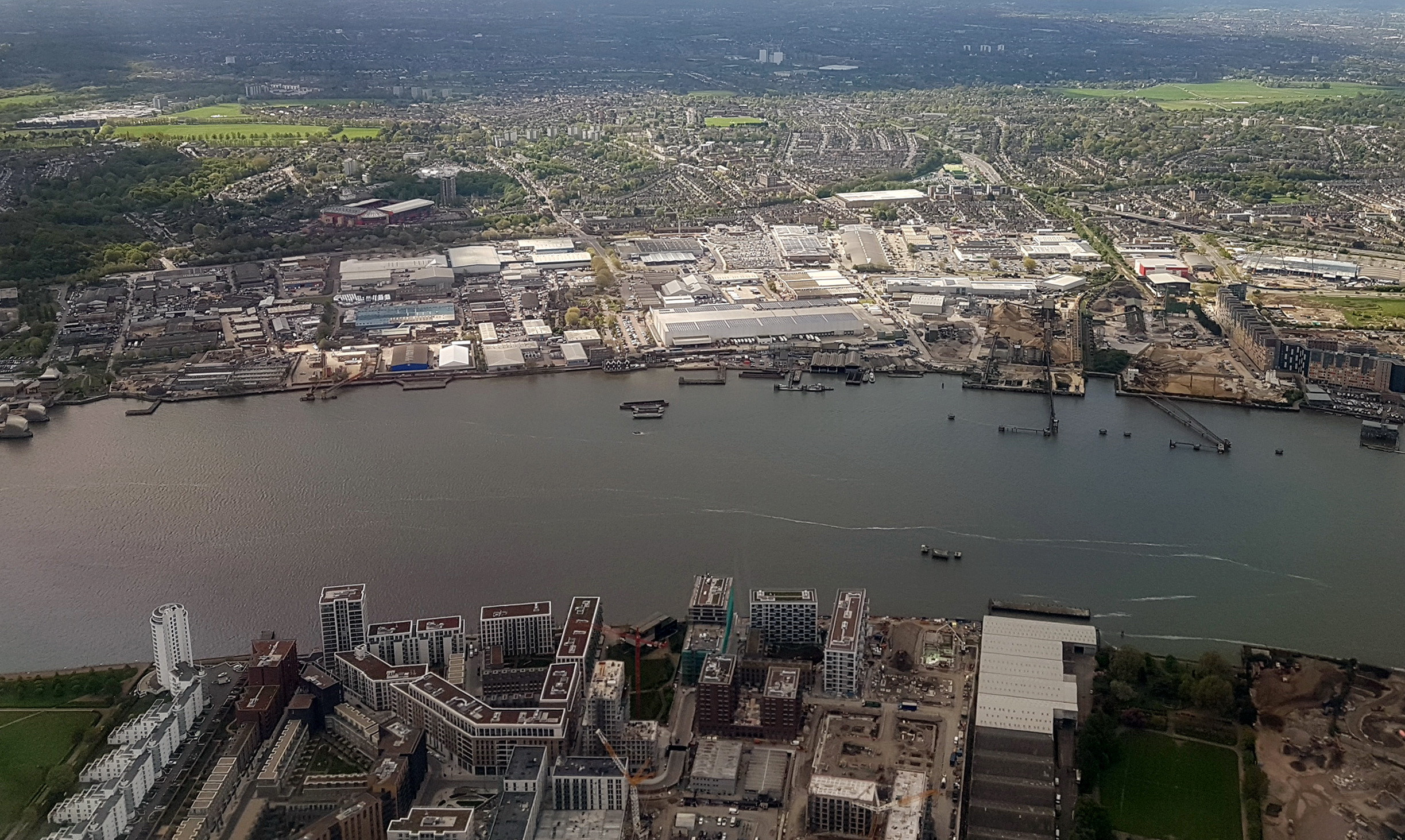
Treat underperformance as a strategic question.
An office building with persistent vacancies, a retail asset with an unsuitable layout or an industrial site constrained by access may each need a different response. For the owner, lender or investor, the task is to understand whether adaptation can address the problem — or whether a more substantial change merits investigation.
Begin with the decision the client needs to make. Is the priority to improve occupation, reposition the asset, prepare for disposal or establish a redevelopment proposition? Commissioning design without that brief can consume time and capital while leaving the investment question unanswered.
Establish the planning baseline.
Review the planning history, authorised use, approved drawings, conditions and obligations alongside how the asset operates today. An agent’s description or the appearance of the building is not enough to establish its planning position.
In England, Class E groups a range of commercial, business and service uses. That flexibility does not override conditions or obligations restricting use, or authorise associated building works. Where the existing or proposed use is uncertain, consider whether a lawful development certificate would help establish the position; it does not replace other regulatory approvals.
Separate the possible consent routes.
A change within a use class, permitted development and a planning application are distinct routes. Test the proposed use and works against the relevant rules. Permitted development can depend on eligibility, limitations, conditions and prior approval; an applicable Article 4 direction can withdraw specified rights. Its presence does not itself rule out an application for permission.
For a planning application, assess the proposal against the development plan and relevant national policy, including site-specific constraints. Existing commercial use or poor financial performance does not, by itself, establish that residential or mixed-use redevelopment will be acceptable.
Compare options that can be delivered.
Define a small number of credible options: improving the existing accommodation, adapting it for a different occupier, reconfiguring the site or pursuing a wider redevelopment. Each needs a clear planning route, a design proposition and an account of what remains untested.
Bring access and servicing, building suitability, utilities, drainage, noise, flood risk, heritage and environmental questions into the scope where relevant. Coordinate those findings with the client’s appointed market, valuation, cost and legal advisers. Planning potential and commercial viability should inform the same decision, with responsibility for each assessment clear.
Run one connected project.
Fragmented commissions can leave the client reconciling a design that assumes one use, technical reports that test another and a programme that omits essential approvals. A shared brief should identify the question each specialist must answer, the information they need and the decision their work will inform.
STAGE leads the planning strategy and masterplanning, runs the project and coordinates the required professional team. Architecture, site intelligence, technical investigations and visualisation develop around that strategy, with external specialists appointed and managed where required. One strategy. One team. One point of contact.
Turn the review into the next decision.
The useful output is an option the client can assess: what the evidence supports, which assumptions could alter the proposition, what further work is needed and how the route to implementation should be sequenced. Identify conditions and approvals that could control when work begins or a new use can operate.
The next step may be targeted investigation, a revised masterplan, an application or a decision to retain the asset in its existing use. For an owner or lender, a clear reason to pause an unsupported option can be as valuable as a credible route forward. The aim is to direct capital and effort toward a proposition that has been tested.
Planning context
- When is permission required? — GOV.UK (England)
- Lawful development certificates — GOV.UK (England)
- National Planning Policy Framework — GOV.UK (England)
- Use of planning conditions — GOV.UK (England)
These sources relate to England. The relevant national and local planning context should be considered for each site.
Complex asset. Unclear planning position.
A decision that needs a strategy.