
Illustrative planning study
Marina &
waterfront.
A connected planning strategy for the water, the waterfront and the land behind it.
The asset / Opportunity
More than a marina.
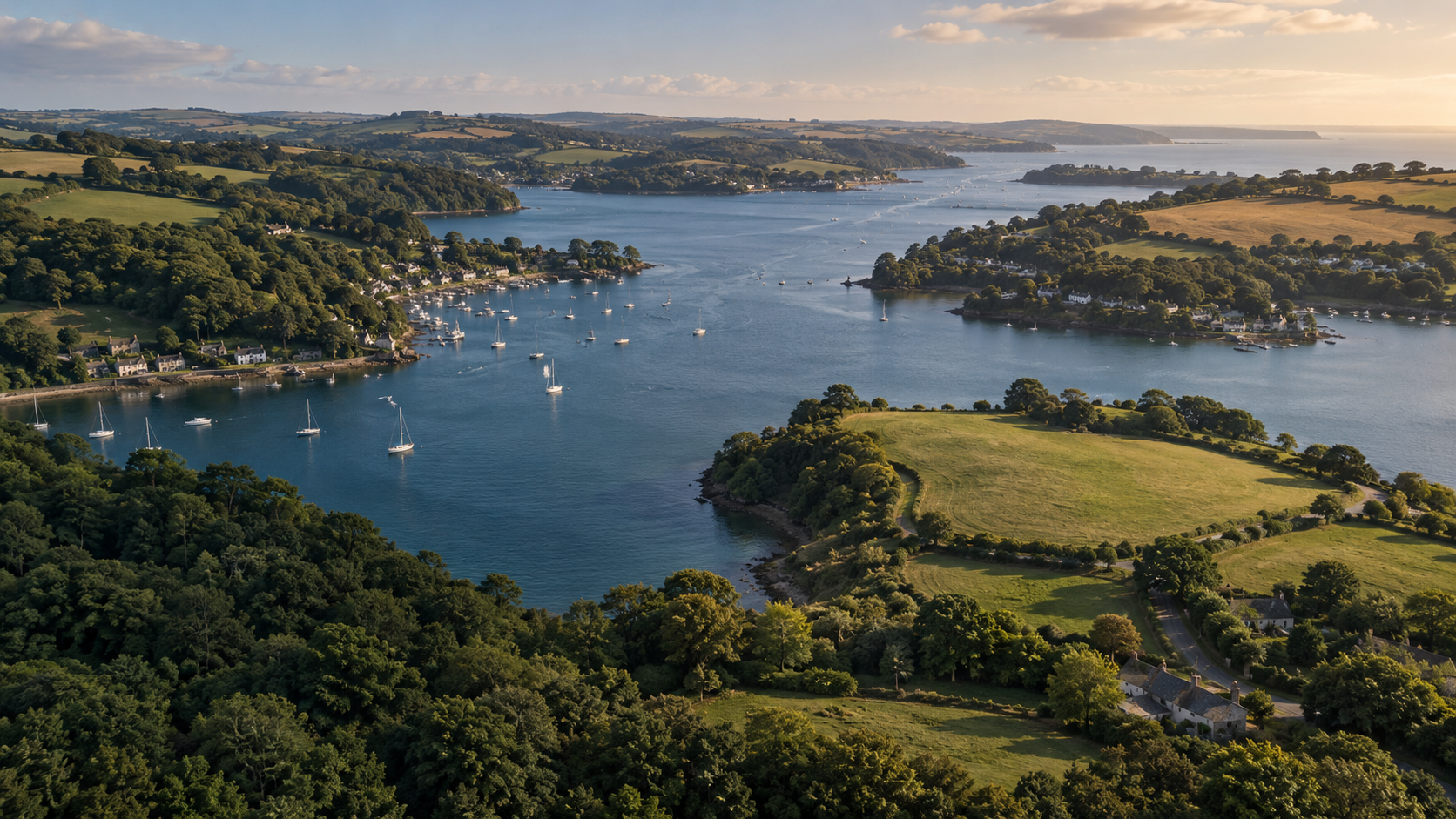
A marina can sit within a much wider asset: operational waterfront, adjoining land, commercial buildings, visitor facilities and space with potential for a different future use.
This study considers how expansion and complementary shoreside uses could be assessed together. The opportunity depends on the existing planning position, the needs of the operator and the particular coastal setting.
The client decision
Define a viable direction before committing capital.
An owner, operator or investor may need to decide whether to expand the marina, adapt existing buildings, introduce complementary uses or reposition the wider asset. A useful planning strategy tests those choices before a preferred scheme absorbs significant design work and investment.
STAGE / Strategic briefing
The decision before
the commitment.
Expansion, repositioning and investment demand different planning answers. Establish what could change the decision before committing capital, design work or programme.
Select the client decision
Illustrative briefing. These are decisions to test, not verified project findings or outcomes.
The question that shapes the brief
Can we increase capacity while keeping the marina operating?
What could be at risk
Capacity assumptions advance before access, environmental constraints and operational dependencies are understood.
How STAGE would lead
Establish the planning position and scope the evidence needed to test expansion.
Develop the masterplan and coordinate marine, environmental and access specialists around phased operations.
The brief would establish
An expansion brief defining the options to test, evidence required, planning route and operational sequence.
The question that shapes the brief
What could the wider waterfront become?
What could be at risk
Separate proposals compete for access, servicing and space, leaving the wider asset without a coherent strategy.
How STAGE would lead
Assess existing uses, consent constraints and relationships across the whole holding.
Develop one waterfront masterplan, coordinating architecture and specialist evidence with the operator’s priorities.
The brief would establish
A development-options brief identifying potential uses, critical dependencies and the decisions needed to establish a preferred direction.
The question that shapes the brief
Which planning assumptions could change the investment decision?
What could be at risk
The investment case relies on permissions, development potential or implementation assumptions that remain unverified.
How STAGE would lead
Audit planning records, existing consent and outstanding conditions against the investment proposition.
Test development options and coordinate targeted specialist work where a finding could change the decision.
The brief would establish
A planning due-diligence brief identifying material risks, evidence gaps and the implications for acquisition or investment.
Expand briefing selected.
The challenge
One waterfront. Several connected questions.
The land and water cannot be considered in isolation. Access, servicing, marina operations, landscape, environmental sensitivity and the relationship with nearby uses can all affect the form of a credible proposal.
Separate design and technical commissions can leave those dependencies unresolved. The planning brief needs to establish which questions matter, who will address them and how their findings will influence the scheme.
What could be at risk
The commercial position behind the planning question.
Capital & programme
Design investment and acquisition assumptions can move ahead of the planning evidence.
Operational continuity
Expansion and construction need to be considered alongside the working waterfront.
Long-term asset value
A narrow marina proposal can overlook the potential and constraints of the wider holding.
The STAGE strategy
Intelligence.
A coordinated route.
Planning leads the strategy. Design, site intelligence and specialist evidence develop together around the asset and the client’s decision.
Establish the position
Review the asset, planning history, existing uses, client objectives and initial constraints. Identify the gaps that could change the decision.
Shape the opportunity
Coordinate architecture and masterplanning with access, operational and environmental inputs. Test marina and shoreside options as a connected proposition.
Make the scheme clear
Use site intelligence and proportionate visualisation to communicate the proposal. Align drawings, technical reporting and the planning case around one strategy.
Plan beyond consent
Structure the application route, conditions work and implementation requirements around the proposed sequence of development and continued operations.
The team
One strategy.
One team.
One point of contact.
STAGE is an integrated planning, architecture and development-intelligence practice. Planning remains the specialist core.
STAGE coordinates the professional team required by the brief, aligning commissions, evidence and decisions around one strategy. External specialist consultants are appointed and managed where needed.
- Planning & design
- STAGE leads the planning strategy and coordinates the architectural and masterplanning work required by the brief.
- Site intelligence
- Drone imagery and site information, where appropriate, help the team understand the waterfront and communicate its context.
- Specialist evidence
- Relevant access, marine, landscape and environmental consultants contribute to a defined scope, coordinated by STAGE.
- Visual communication
- CGI, virtual walkthroughs or physical scale models can be commissioned where they help councils, investors or stakeholders understand the scheme.
The next stage
A route that can be carried forward.
The next step would be a defined project brief: the options to assess, evidence to obtain, design work to coordinate and decisions to make. As the proposal progresses, that strategy should continue through application, conditions and implementation.
Discuss your land or asset