
Understand
Establish the operational planning position, site suitability and future land questions.
- Planning history, consent & condition audits
- Site suitability, access & environmental interfaces
- Asset potential, acquisition & disposal decisions
Planning intelligenceNational capability
Understand the planning position of an operational asset. Connect site suitability, environmental evidence and future land potential with a considered strategy for consent and implementation.
Strategic perspective
Waste and landfill assets combine operational requirements with a wider land story. Planning history, consent conditions, access, neighbouring uses and environmental evidence all influence the scope for continued operation, change or restoration.
STAGE advises waste operators, landowners, asset managers and investors on site suitability, planning applications and the future potential of these assets. From green-waste composting and windrowing to inert landfill and quarry restoration, we connect the planning strategy with specialist inputs, operational requirements and long-term land-use decisions.
Planning intelligence & due diligencePlanning intelligence
Bring the operational planning position, environmental interfaces and long-term land strategy into one coordinated review.
The planning question
Review existing permissions, conditions and the relationship between working areas, plant and supporting infrastructure. Build the strategy around the needs of the operation and the issues that influence change.
From strategy to implementation
Establish the operational planning position, site suitability and future land questions.
Bring the operational proposition, planning case and specialist evidence together.
Coordinate planning requirements through operation, change and restoration.
Resource recovery / Operational planning
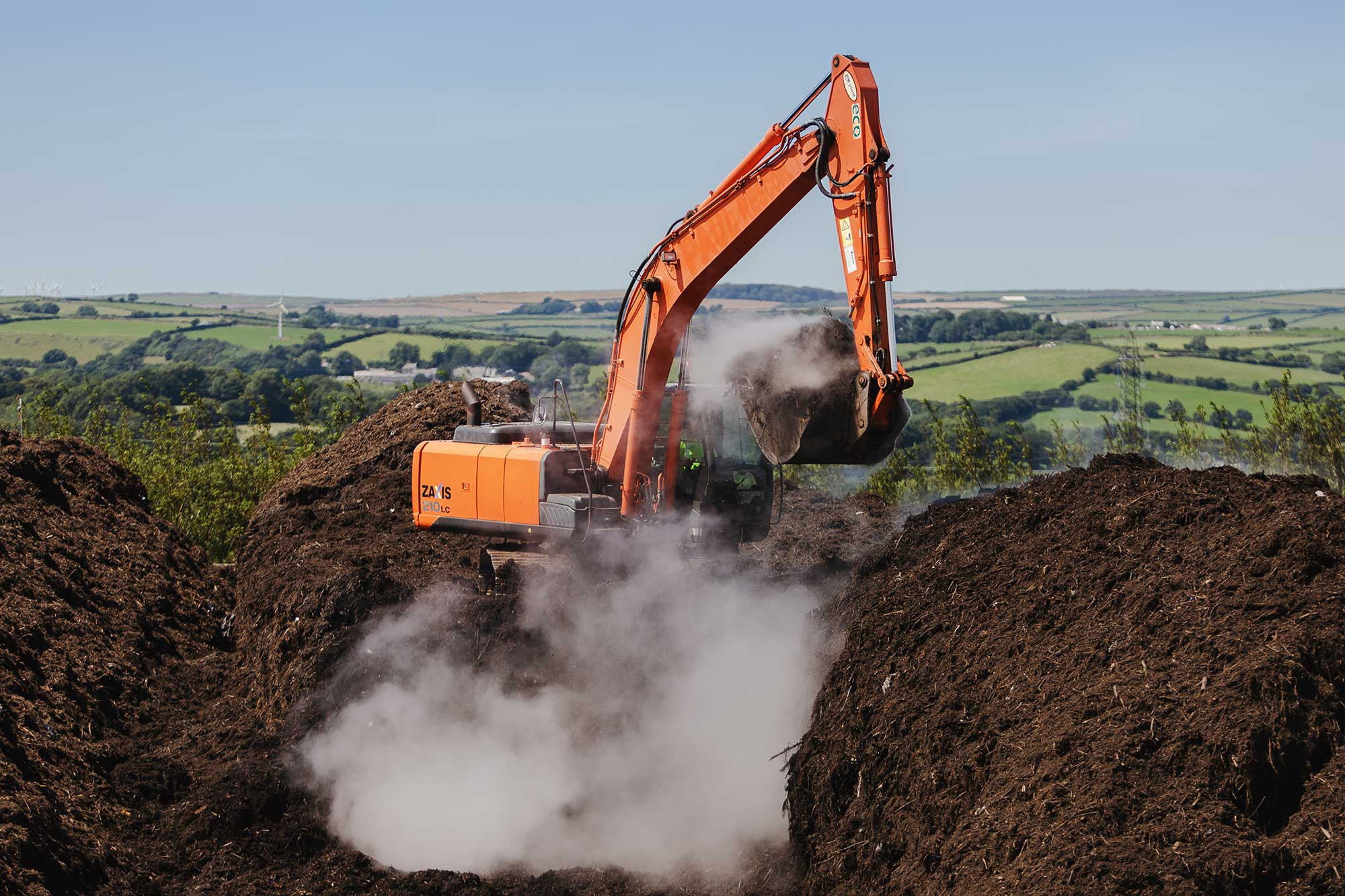
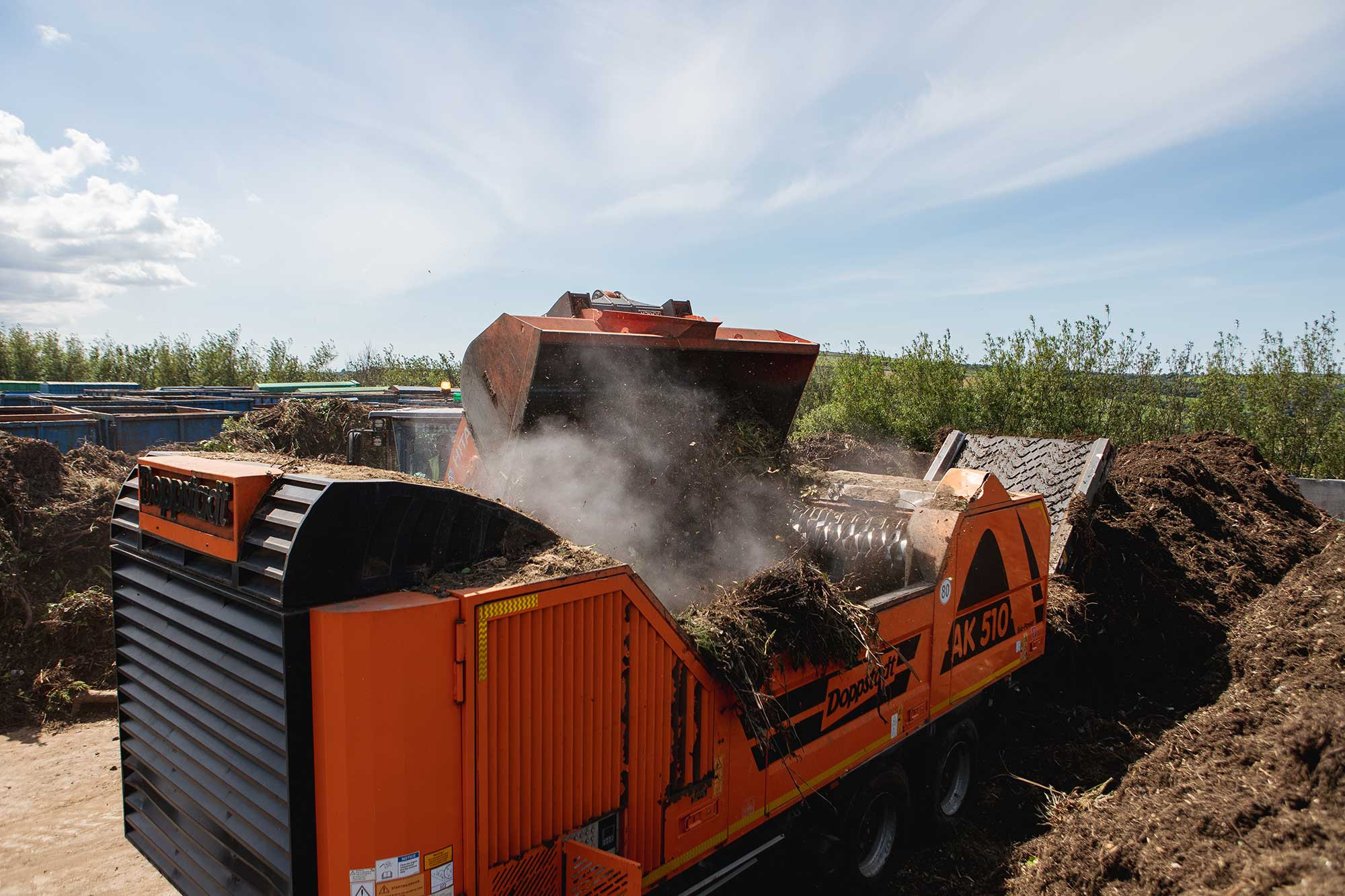
A composting operation is a connected sequence: receiving and weighing green waste, shredding, windrow formation and turning, maturation, screening and dispatch. Its planning strategy needs to reflect the space, plant, vehicle movements and working practices behind that sequence.
STAGE brings the operational proposition together with site suitability, planning history and the evidence required for new facilities, expansion or change. We coordinate drainage, odour, bioaerosol, noise, dust and transport inputs with the relevant specialists, alongside the interface between planning consent and environmental permitting.
Inert landfill / Quarry infill & restoration
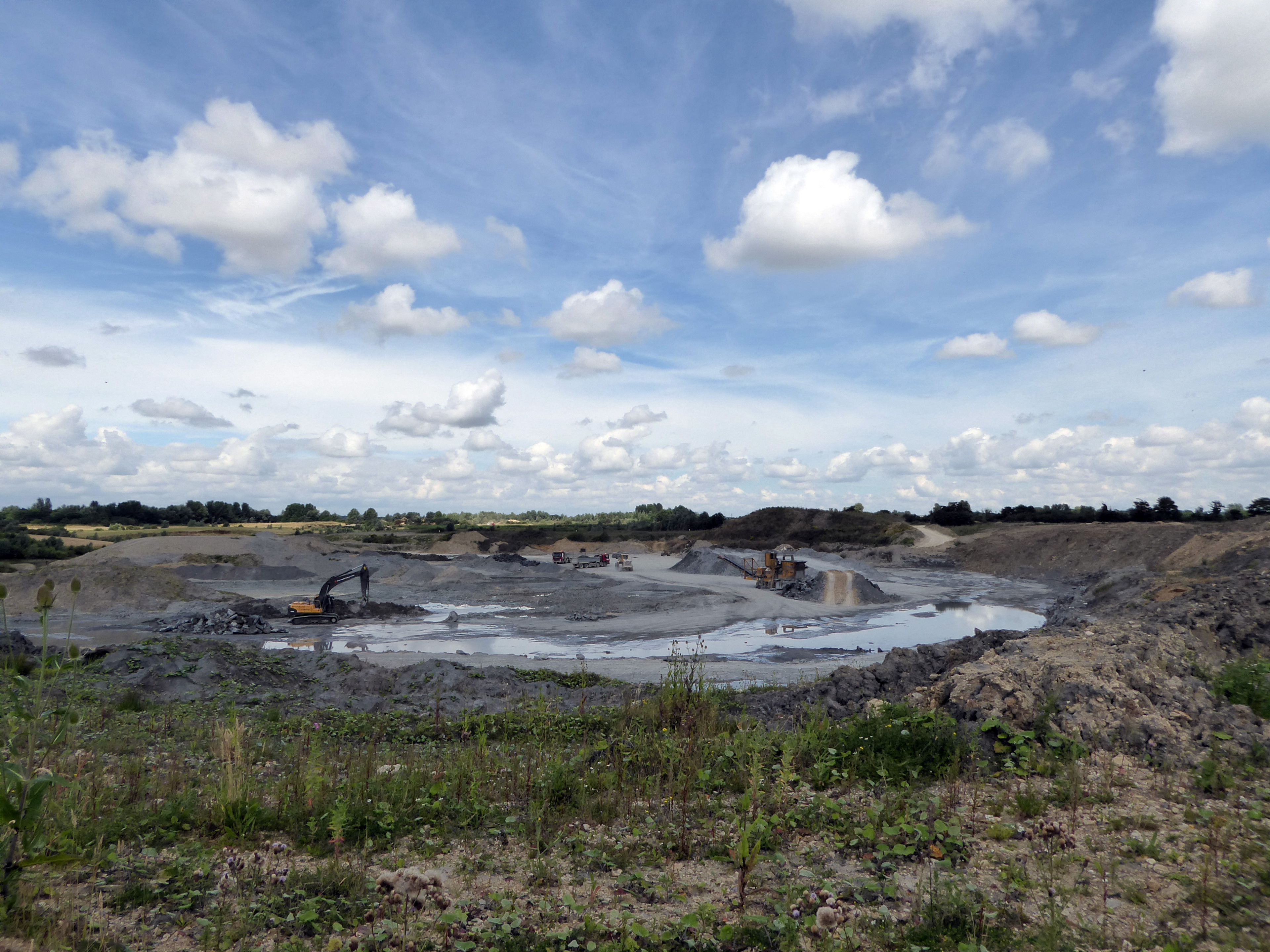
Inert landfill and quarry infill require a strategy that connects material import with the intended landform and future use. Tipper access, vehicle routing, working areas, phased placement and restoration levels all need to be considered as one operation.
Where clean topsoil is proposed for final restoration, its suitability and placement should be addressed alongside the wider infill strategy and the site’s planning and environmental requirements. STAGE coordinates the planning case, specialist evidence, conditions and restoration proposals so that the operational programme supports a considered long-term land strategy.
Client case studies
Challonsleigh waste & restorationSector capability
Planning advice tailored to the site, the development ambition and the route forward.
Assess the planning history, existing consents and suitability of a site for the proposed waste-management use. Review neighbouring uses, transport relationships, infrastructure and environmental interfaces to support operational, acquisition and investment decisions.
Structure the planning case for waste-management facilities, including recycling, recovery and transfer operations. Bring site layout, plant, infrastructure and operating requirements into the strategy for new development, expansion or operational change.
Plan the relationship between reception, shredding, windrow formation and turning, maturation, screening and dispatch. Coordinate operational space, plant, drainage, amenity and traffic evidence around the planning strategy for a new site, expansion or operational change.
Review landfill and quarry planning positions alongside material-import proposals, phased infilling, restoration levels and future land use. Connect tipper movements, clean topsoil placement, environmental evidence and consent obligations with the operational programme and the long-term land strategy.
Bring planning and environmental-permit interfaces into a coordinated work programme with the relevant technical advisers. Identify the access, transport, drainage, ecology, landscape, noise and other evidence needed to support the proposed operation.
Coordinate the planning work through application strategy, determination and implementation. Review conditions, variations, enforcement and compliance as the operation evolves, connecting the consent with the work required on site.
Atkins prepared the Roseworthy engineering drawings. These original marks are reproduced from the application drawing title blocks, retaining their SNC-Lavalin group wording.
SNC-LavalinGroup mark on the Roseworthy engineering drawings

AtkinsEngineering consultant / Roseworthy
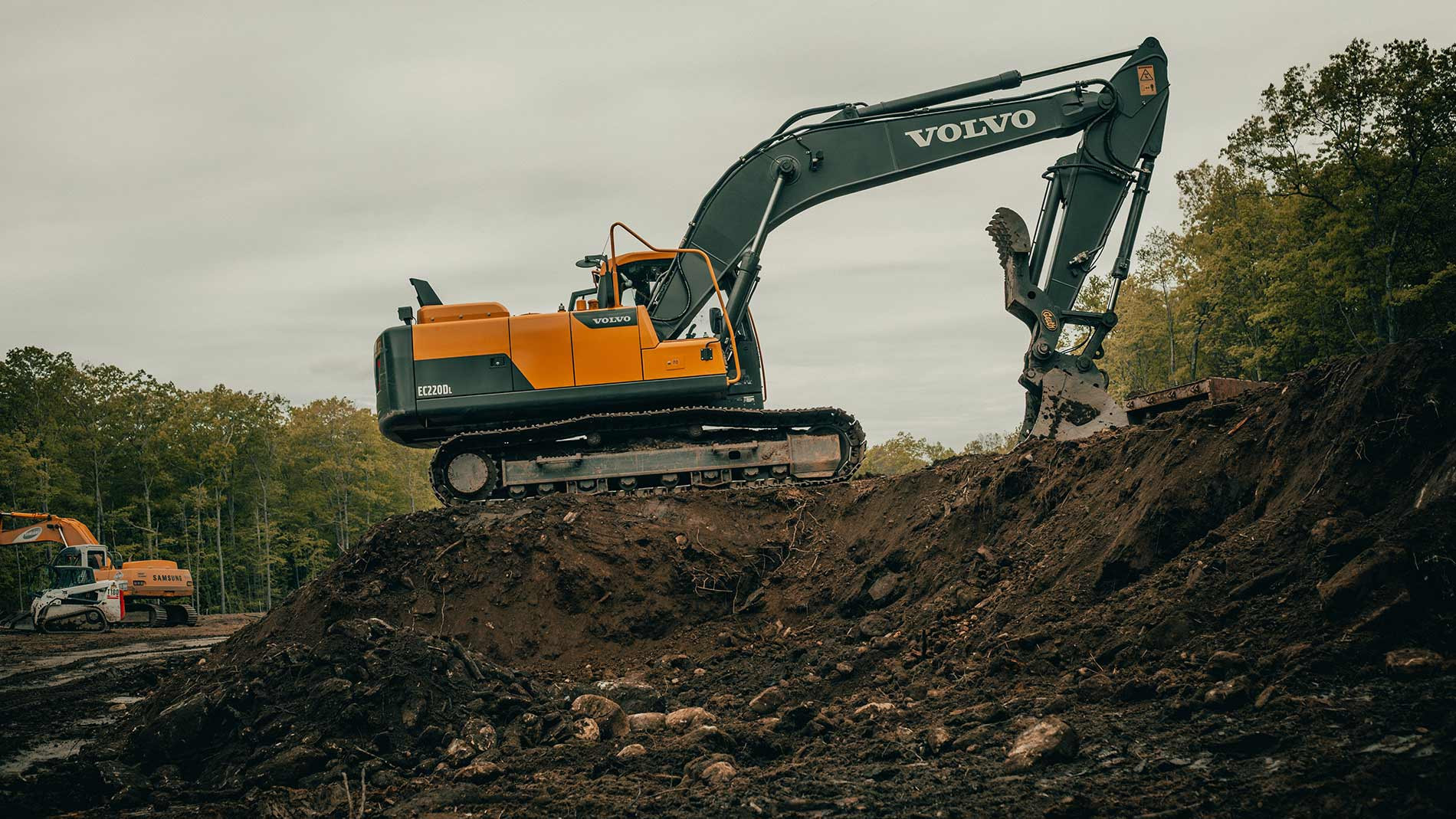
Earthworks photography with an illustrative overlay following the visible crest; the line is not a surveyed boundary. Waste type, material suitability, permits and restoration status require project-specific evidence. Composting and shredding photography: The Green Waste Company. Hills Quarry, Shorncote — Vieve Forward, 21 July 2016, CC BY-SA 2.0. Display crop and tonal treatment; the presentation remains under the same licence. The quarry image shows the operation rather than a verified load of clean topsoil or unloading event.
Complex land. Difficult consent. Major opportunity.
Discuss a project