
Illustrative planning study
Waste & land
restoration.
Connect the operational planning position with restoration and a credible future for the land.
The asset / Opportunity
Operational land with a longer-term question.
A waste, landfill or quarry asset can carry a planning history that remains important long after the initial permission. Existing operations, approved phasing, conditions and restoration requirements shape what happens next.
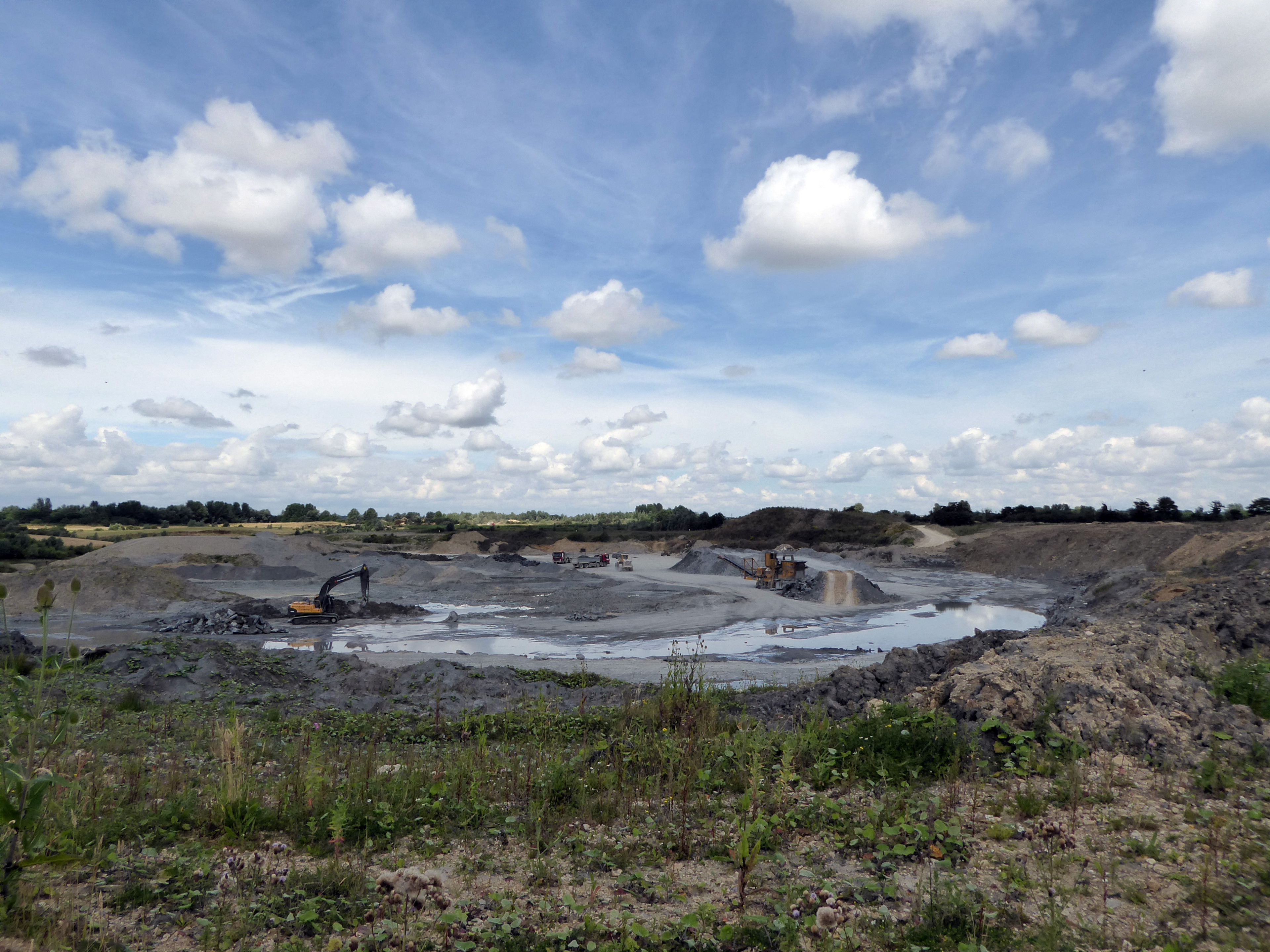
This illustrative study considers the connection between that position and a possible future use. The photograph shows a working quarry.
The client decision
Understand the obligations. Test the future use.
An operator, landowner, lender or adviser may need to establish what work remains, how operations and restoration should be sequenced, and whether a future-use proposition merits further investment. Those questions need a shared planning and technical brief.
STAGE / Strategic briefing
The operation today
The land tomorrow.
Operational change, restoration and future use demand connected decisions. Establish the existing position, the dependencies and the programme before committing to the next stage.
Select the client decision
Illustrative briefing. These are decisions to test, not verified project findings or outcomes.
The question that shapes the brief
Can the operation evolve without creating new planning uncertainty?
What could be at risk
Plant, windrow space and vehicle movements change before the proposed layout is tested against existing consents, access and neighbouring uses.
How STAGE would lead
Review the planning position and map reception, processing, windrow turning, maturation and dispatch against the proposed change.
Develop the operational layout and coordinate drainage, amenity and transport evidence with specialists, alongside the separate environmental-permitting requirements.
The brief would establish
An operational-change brief defining the layout options, evidence requirements, planning work and proposed sequence around continued operations.
The question that shapes the brief
How do today’s material movements support the final landform?
What could be at risk
Import assumptions, working areas and restoration levels develop separately, leaving unresolved obligations and an unclear completion programme.
How STAGE would lead
Audit permissions, conditions, approved restoration plans and site records. Establish the planning work and coordinate the relevant environmental-permitting specialists.
Connect tipper access, phased placement, final levels and aftercare in one site strategy. Coordinate engineering and environmental advice on material suitability, including any proposed topsoil placement.
The brief would establish
A phased restoration brief identifying the landform, evidence gaps, planning requirements and proposed sequence from working ground to aftercare.
The question that shapes the brief
Which next use is worth taking forward?
What could be at risk
A future-use concept attracts design expenditure before remaining obligations, ground conditions and infrastructure dependencies are understood.
How STAGE would lead
Establish the existing planning position and scope the technical evidence that could change the future-use decision.
Test appropriate land-use options through an initial masterplan, coordinating specialists around the site’s verified constraints and restoration position.
The brief would establish
A future-use options brief identifying the alternatives, critical dependencies and work required to establish a preferred direction.
Operate briefing selected.
The challenge
The future starts with the existing position.
Permissions, conditions, approved drawings and available site records need to be considered together. Environmental evidence, landform, access and the restoration programme can materially affect the options worth pursuing.
A future-use concept developed without that review can conflict with unresolved obligations or missing evidence. STAGE’s role is to connect the planning position with the specialist work and decisions required.
What could be at risk
The commercial position behind the planning question.
Programme & obligations
Outstanding planning work and restoration dependencies can complicate the next stage.
Investment assumptions
A future-use proposition may rely on site conditions or permissions that have not been established.
Delivery coordination
Separate operational, environmental and design advice needs to resolve into a coherent sequence.
The STAGE strategy
Intelligence.
A coordinated route.
Planning leads the strategy. Design, site intelligence and specialist evidence develop together around the asset and the client’s decision.
Audit the planning position
Review the permissions, conditions, approved plans and available records. Establish the planning questions and information gaps.
Connect the specialist evidence
Coordinate appropriate environmental, engineering, access and restoration inputs against a clear planning brief.
Test the land’s future
Assess future-use options alongside restoration and operational requirements. Coordinate land-use planning and design work where the evidence supports further assessment.
Structure implementation
Define the planning work, decisions and sequencing needed to progress operations, restoration or a future-use proposal.
The team
One strategy.
One team.
One point of contact.
STAGE is an integrated planning, architecture and development-intelligence practice. Planning remains the specialist core.
STAGE coordinates the professional team required by the brief, aligning commissions, evidence and decisions around one strategy. External specialist consultants are appointed and managed where needed.
- Planning & consent review
- STAGE leads the planning review and structures the strategy around the operational and long-term objectives.
- Technical coordination
- STAGE coordinates the relevant environmental, engineering, access and restoration specialists required by the site.
- Site & land-use intelligence
- Site records, surveys and appropriate drone inputs inform the land-use and restoration discussion.
- Design & visualisation
- Masterplanning and proportionate visualisation can help explain restoration or future-use options where these form part of the agreed brief.
The next stage
A considered next use. A defined route.
The next stage would connect the findings to a work programme: further evidence, planning applications or conditions work, technical coordination and implementation priorities. The scope depends on the verified position of the particular asset.
Discuss your land or asset